AVARON canvas video toolkit
Code-drawn animated shorts, character staging, browser playback and export.
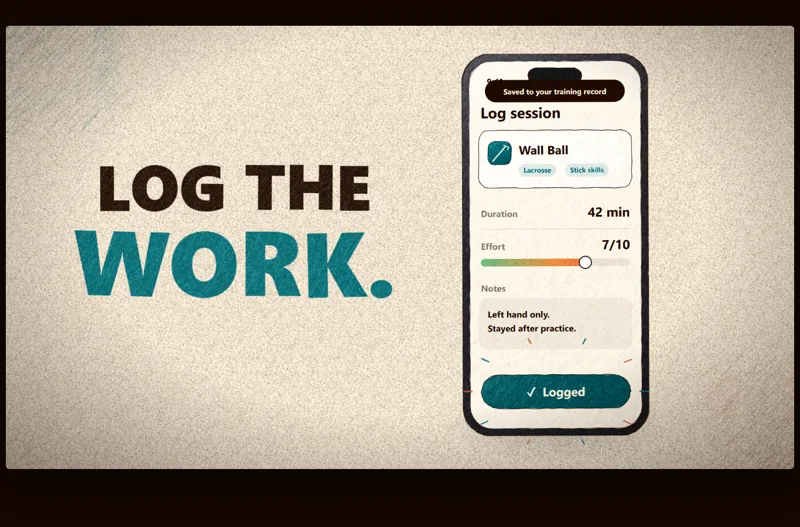
The idea
This toolkit explores animation as programming: characters, pencil texture, movement, scene composition, sound and an exportable timeline live in code. The aspiration is a reusable collection of short AVARON stories rather than a different hand-edited project for every clip. My contribution sits within a repository owned by Dcorl, so the story focuses on the player, voice/audio integration and specific changes supported by my commits.
How it works
Open a video’s portrait or landscape HTML page in a browser. Shared scripts provide the drawing kit, cast and motion; the video script supplies its scene timeline.
Play, pause or scrub to a precise time. A URL fragment can open a specific frame, which makes review and reproduction much easier than an approximate recording.
Review sound and spoken lines against the picture. The player handles the shared audio clock and the code describes mixing and mastering behavior.
Save a frame or use the browser export path when its encoding/muxing requirements are available. The present run captured a frame only; it did not publish or export a finished ad.
Inside the build
Canvas as an animation system
The shared pencil drawing kit and character movement routines turn JavaScript into a small production environment. Per-video scripts can reuse a cast while staging different jokes or training moments.
An audio-led timeline
The player renders sound into a buffer, then uses that clock for playback and seeking. This is a concrete synchronization problem: frame position, captions and speech should agree when the viewer scrubs.
Browser media tooling
The export source uses VideoEncoder, AudioEncoder and an MP4 muxer. Frame stepping avoids relying on real-time playback speed to capture every frame; the muxer is an external dependency, not authored codec technology.
Two frame shapes
Portrait and landscape variants share the underlying scene language but recompose content. That is a useful design constraint: responsive storytelling is not simply shrinking the same image.
What I learned
Reusable visual primitives
A shared character/pose/drawing vocabulary lets a codebase behave like a small animation library. The interesting learning topic is how to keep a playful visual style while making it programmable.
Sync and export boundaries
Playback, audio gain, encoded peaks and export are related but different systems. Recent commits around voice delivery and the master ceiling show how much of the work sits after drawing the characters.